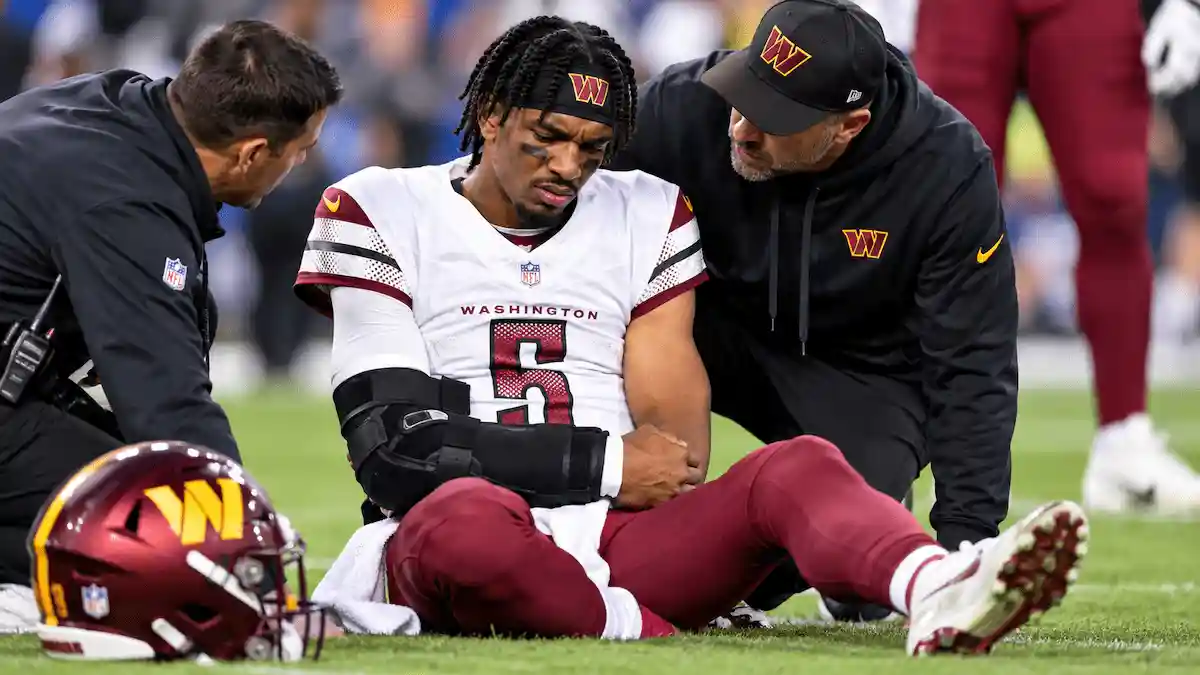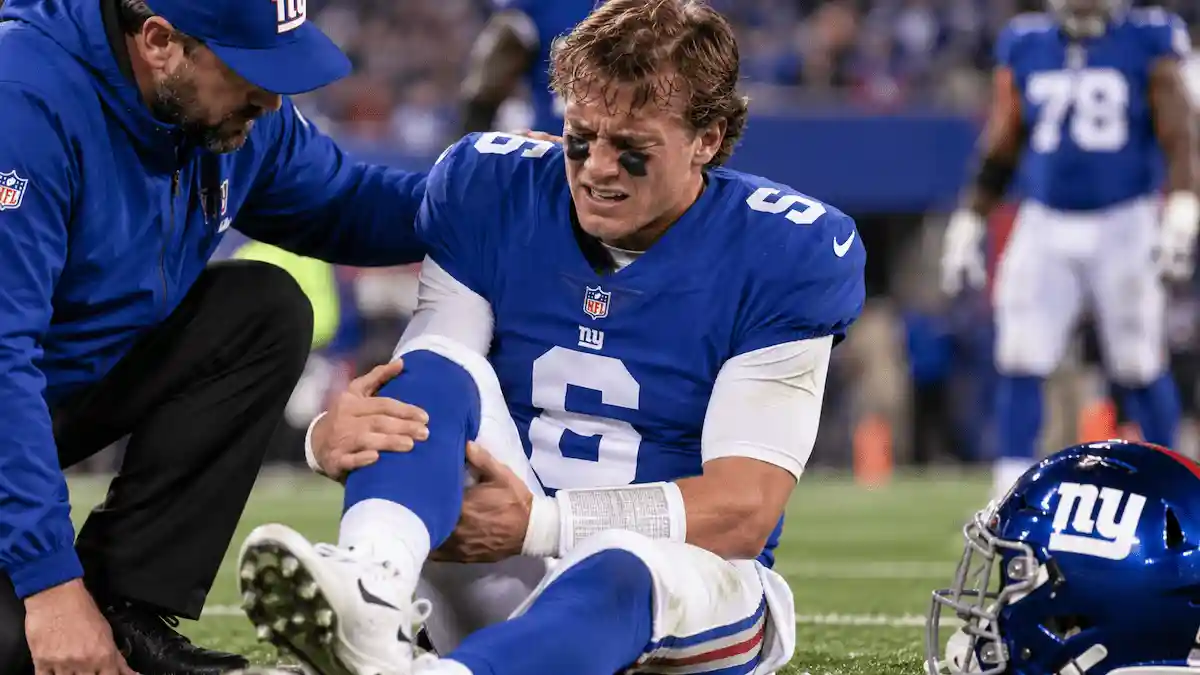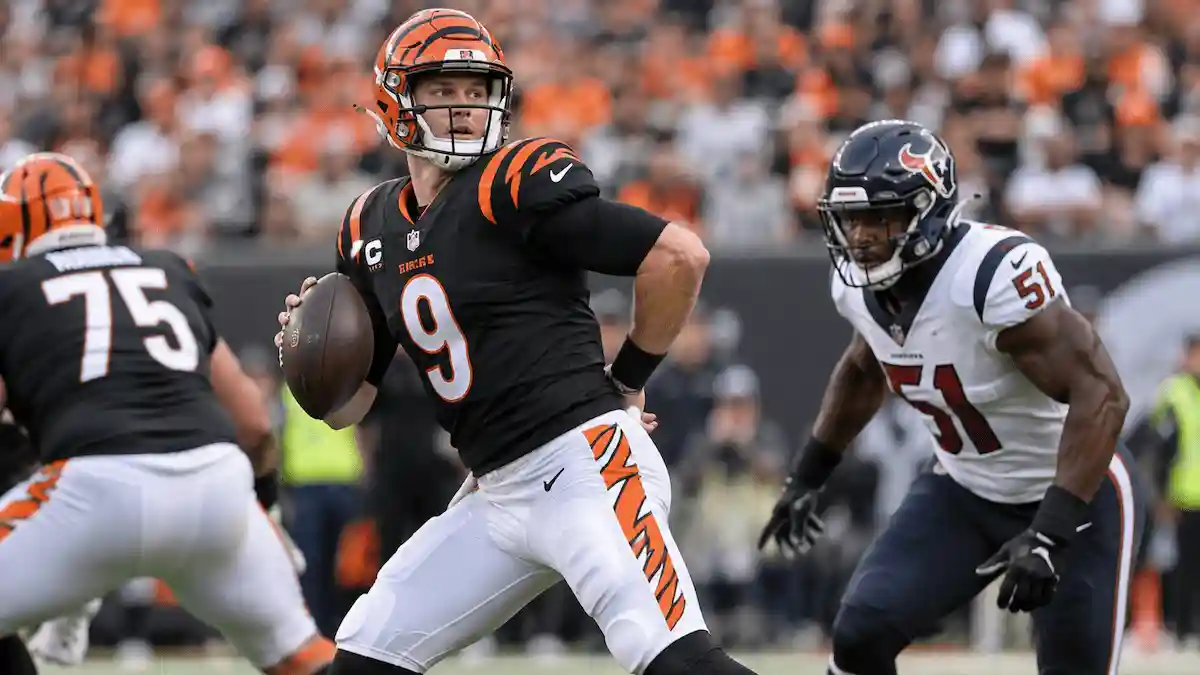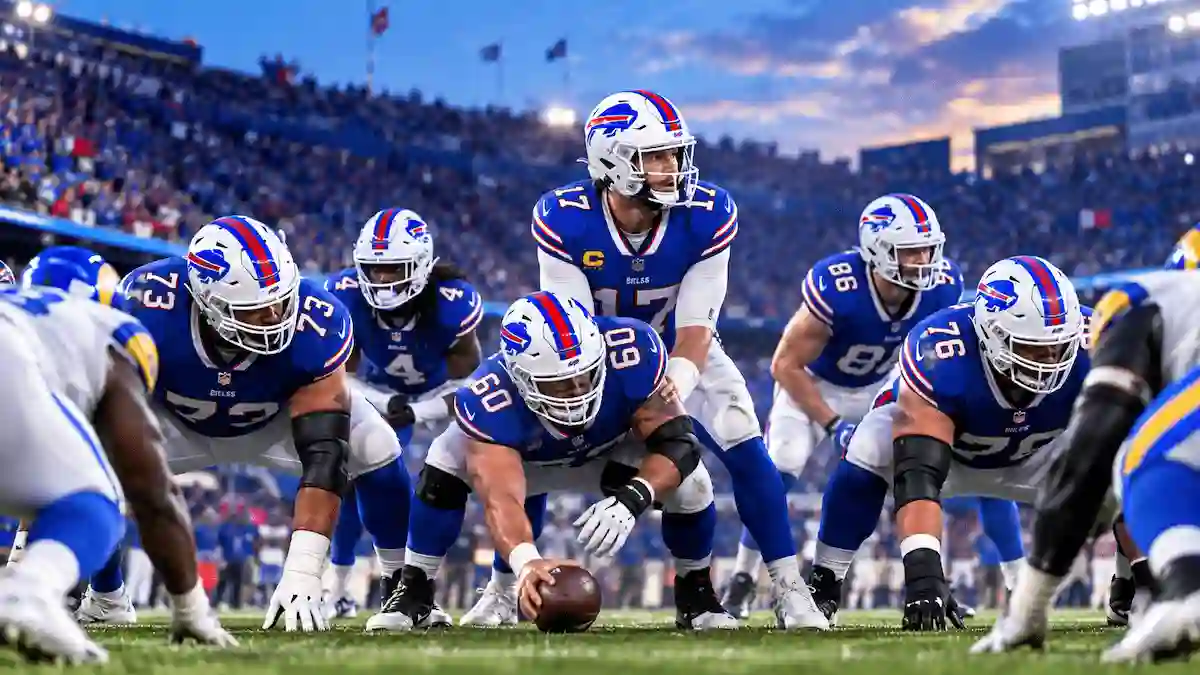
The Buffalo Bills have a quarterback capable of changing a game in seconds. But even a star like Josh Allen cannot solve every problem alone.
Buffalo’s 2026 depth chart looks strong in several important positions. James Cook III leads the running back group, Dalton Kincaid headlines the tight ends, and the offensive line features experienced starters. However, the bigger question is what happens when the first-choice players are unavailable.
That question became especially important before Buffalo’s Week 5 matchup against the Los Angeles Rams. The Bills listed several key players as inactive, including wide receiver D.J. Moore, defensive tackle Ed Oliver and wide receiver Joshua Palmer. Cornerback Dee Alford was also inactive. NFL.com confirmed the final inactive list.
The real story behind the Bills depth chart is not simply who starts. It is whether Buffalo can maintain its identity when injuries force the coaching staff to change the plan.
Buffalo Bills Depth Chart 2026: Key Players at a Glance
The following positions reflect Buffalo’s published depth chart. Actual game-day roles can change because of injuries, formations and coaching decisions.
| Position | First Choice | Backup |
|---|---|---|
| Quarterback | Josh Allen | Kyle Allen |
| Running Back | James Cook III | Ray Davis |
| Wide Receiver | Khalil Shakir | Greg Dortch |
| Wide Receiver | Keon Coleman | Joshua Palmer |
| Tight End | Dalton Kincaid | Dawson Knox |
| Left Tackle | Dion Dawkins | Jude Bowry |
| Center | Connor McGovern | Lloyd Cushenberry |
| Defensive Line | Ed Oliver | DeWayne Carter |
| Outside Linebacker | Greg Rousseau | Michael Hoecht |
| Safety | Cole Bishop | Jalon Kilgore |
| Kicker | Tyler Bass | — |
Source: Official Buffalo Bills depth chart. The published order is not a guarantee of who will play in a particular game.
One important detail: the wide receiver and defensive line groups have multiple positions, so this table highlights selected depth-chart entries rather than every starter. Game-day availability must always be checked separately.
1. Josh Allen Is the Strength — But Also the Biggest Dependency
Josh Allen remains the central figure in Buffalo’s offense. His ability to throw downfield, extend plays and create yards with his legs gives the Bills options that many teams simply do not have.
However, there is a hidden challenge.
When an offense relies heavily on its quarterback’s ability to rescue difficult situations, it can become harder to judge how well the supporting cast is performing.
If the receivers struggle to get open, Allen may need to hold the ball longer. If protection breaks down, he may have to escape the pocket. If the running game becomes predictable, the defense can focus more attention on him.
Kyle Allen provides the listed backup option at quarterback, but replacing Josh Allen would mean more than changing one player. The entire offensive approach could require adjustments.
The key question: Can Buffalo win consistently through its supporting cast, or must Josh Allen produce extraordinary plays every week?
That is one of the most important things to watch as the season progresses.
2. The Wide Receiver Room Could Decide Buffalo’s Ceiling
Buffalo’s receiver group deserves close attention because injuries can change both its personnel and its play-calling.
Khalil Shakir offers a different role from a receiver who primarily stretches the field. Keon Coleman brings a different physical profile, while D.J. Moore adds another experienced option when available. Joshua Palmer and Greg Dortch provide additional depth.
But having names on a roster does not automatically create a reliable passing attack.
When a leading receiver is unavailable, another player may have to take on more targets, run unfamiliar routes or handle tougher coverage assignments. That adjustment can affect timing between the quarterback and the entire receiving group.
Buffalo’s Week 5 inactive list made this concern concrete: Moore and Palmer were unavailable against the Rams. The team also elevated Trent Sherfield Sr. from its practice squad ahead of the game, adding another option to the receiving group. See the roster move and injury context.
The interesting angle is not simply whether a backup can catch passes. It is whether the backup can perform the same job as the player who is missing.
A receiver who excels on short routes may not be the ideal replacement for a player expected to win contested catches. Buffalo needs its backups to complement one another, not merely fill a position on paper.
3. James Cook and Ray Davis Give the Bills Different Options
The running back depth chart features James Cook III first, followed by Ray Davis and Ty Johnson.
Cook gives Buffalo its primary running back option, while Davis and Johnson provide additional choices for different situations.
This matters because a dependable running game can reduce the pressure on a quarterback and help an offense remain balanced.
If Cook is productive, opposing defenses must respect the possibility of a handoff instead of focusing exclusively on Allen. That can create opportunities for play-action passes and give receivers more favorable matchups.
However, depth is only useful when the next player can handle a meaningful workload.
Can Davis maintain the offense’s rhythm if Cook needs a break? Can Johnson contribute in passing situations? Can Buffalo continue moving the chains if the preferred running game is not working?
These are the questions that determine whether a three-player running back group is a genuine advantage.
4. The Offensive Line May Be Buffalo’s Most Important Safety Net
The offensive line rarely receives the same attention as quarterbacks and receivers, but its performance can influence every offensive possession.
Buffalo’s published depth chart lists Dion Dawkins at left tackle, Spencer Brown at right tackle and Connor McGovern at center. O’Cyrus Torrence and Alec Anderson also feature among the starting interior options.
The benefit of this group is straightforward: better protection gives Allen more time to read the defense, while effective run blocking creates opportunities for Cook.
The concern is what happens when injuries force changes.
A backup offensive lineman must understand the protection scheme, communicate with teammates and react to defensive adjustments. Even a small breakdown can create pressure before a passing play has time to develop.
For Buffalo, offensive line depth is not just about protecting one player. It can determine whether the entire offense operates smoothly.
5. Ed Oliver’s Absence Shows Why Defensive Depth Matters
The defensive side presents another important question.
Ed Oliver is listed as a starting defensive lineman, with DeWayne Carter behind him on the official chart. Deone Walker, T.J. Sanders and other linemen also form part of the rotation.
Oliver’s absence against the Rams highlighted the importance of having players ready to handle additional responsibility.
An interior defensive lineman does more than chase the quarterback. He can disrupt running lanes, occupy blockers and help create opportunities for edge rushers.
If that pressure disappears, opposing quarterbacks may have more time to make decisions. Running backs may also find cleaner paths through the middle.
That does not mean Buffalo’s defense automatically becomes weak without Oliver. Other players can contribute, and defensive performance depends on the entire unit.
Still, his absence creates a useful test: can Buffalo generate enough interior pressure without relying on its preferred lineup?
The answer will tell fans more about the team’s defensive depth than a roster list alone.
6. The Real Hidden Weakness: Replacing Roles, Not Names
Here is the less obvious angle in the Buffalo Bills depth chart.
Teams do not always struggle because their backups are untalented. Sometimes they struggle because the replacement player performs a different role from the starter.
Imagine a receiver who is excellent at short, quick routes replacing someone who usually stretches the field. Or imagine a defensive lineman who occupies blockers replacing a player who regularly creates interior pressure.
The position may look unchanged on the depth chart, but the responsibilities are different.
That can force the coaching staff to adjust formations, route combinations and defensive assignments.
Buffalo’s challenge is therefore about role flexibility. Can the Bills change their approach without losing the qualities that make their offense and defense effective?
This is where depth becomes more than a list of names. It becomes a measure of how adaptable the team can be under pressure.
What Should Bills Fans Watch Next?
Three developments deserve attention as Buffalo moves through the 2026 season:
- Receiver availability: Monitor D.J. Moore, Joshua Palmer and the distribution of targets among the remaining receivers.
- Defensive line rotation: Watch how Buffalo generates pressure when Ed Oliver or other linemen are unavailable.
- Backup performance: Look beyond individual statistics and evaluate whether replacement players can preserve the team’s normal responsibilities.
For the latest lineup information, fans should check the official Bills depth chart alongside the official roster. The depth chart shows the listed order, while the final inactive report confirms who will not play in a particular game.
Final Verdict: Is Buffalo’s Depth Chart Good Enough?
The Buffalo Bills have an important advantage in Josh Allen, a leading running back in James Cook III and established options across the offensive line. Their depth chart also identifies multiple players who can step into larger roles.
But the real test is consistency.
A championship contender must do more than field its best starting lineup. It must remain competitive when injuries disrupt the original plan.
Buffalo’s receiver and defensive line situations make those positions especially interesting to monitor. If the backups maintain the same responsibilities and the coaching staff adjusts effectively, the Bills can limit the damage caused by absences.
If those replacements force too many changes, the pressure on Allen could increase.
The biggest question is not whether Buffalo has talented starters. It is whether the team can remain dangerous when those starters are missing.
That is what makes the Bills depth chart worth watching throughout the 2026 NFL season.
Frequently Asked Questions
Who is the starting quarterback on the Buffalo Bills depth chart in 2026?
Josh Allen is listed as Buffalo’s first-choice quarterback, with Kyle Allen behind him on the official depth chart.
Who is the Bills’ starting running back?
James Cook III is listed first at running back, followed by Ray Davis and Ty Johnson.
Which Bills positions should fans monitor most closely?
The wide receiver group and defensive line deserve particular attention because player availability can affect passing options and defensive pressure.
Where can I find the latest Buffalo Bills depth chart?
Visit the official Buffalo Bills depth chart. Check the team’s injury report and final inactive list before each game because listed positions do not guarantee game-day availability.